Loading...
Serving Carson, CA and surrounding areas. (424) 388-5348
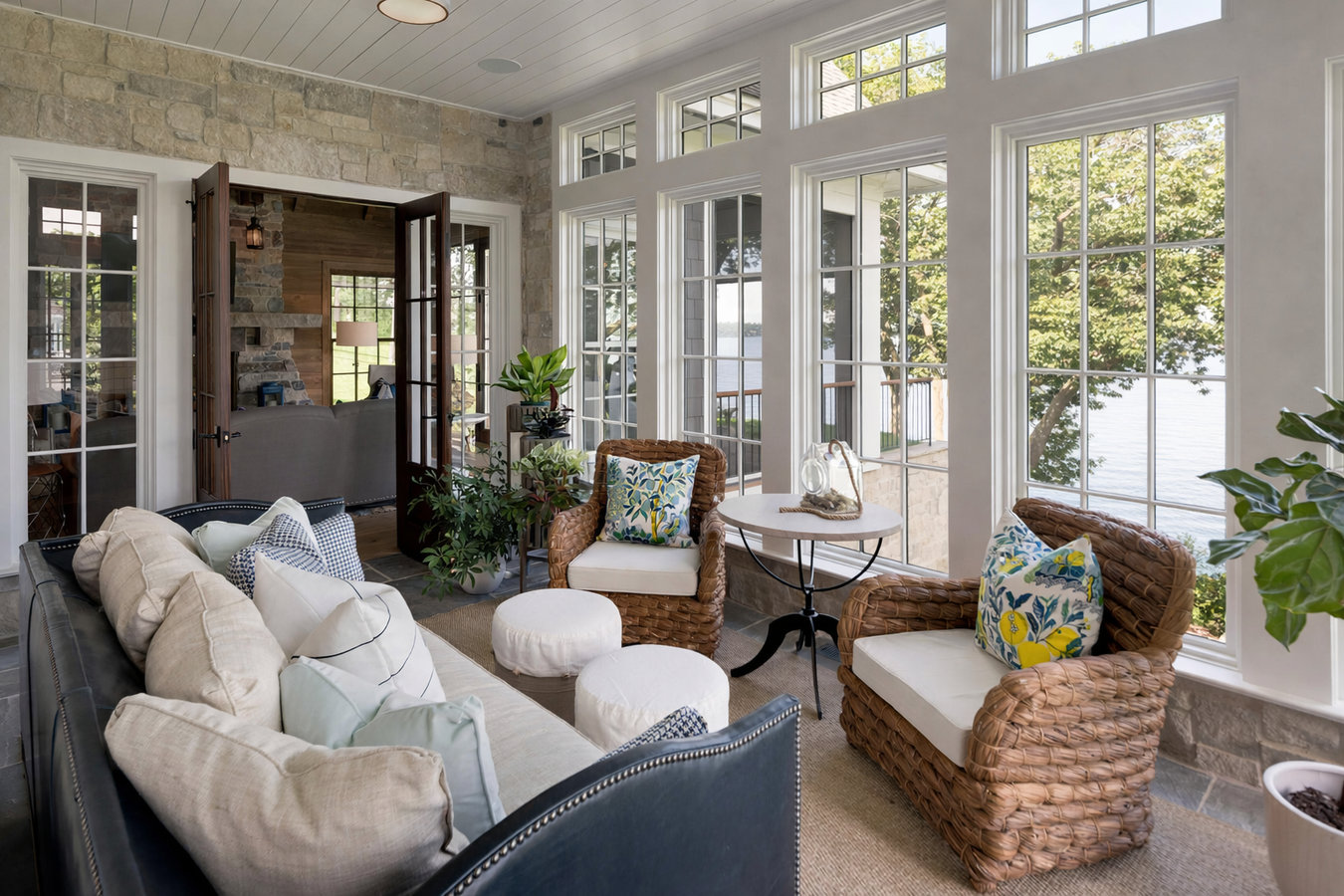
You have outdoor space going to waste because of heat, bugs, or a yard that just sits there. We design sunrooms in Carson that fit your home, pass city inspections, and stay comfortable every month of the year - not just when the weather cooperates.
Sunroom design in Carson means planning a permitted room addition attached to your home - choosing the roof style, glass type, flooring, and whether to connect heating and cooling - with most projects taking four to twelve weeks from permit approval to final walkthrough, and the full process from first call to move-in day typically running eight to sixteen weeks once permitting time is included.
Most homeowners who call us about sunroom design in Carson have the same situation: a patio or backyard that is technically there but goes unused most of the year because the afternoon sun makes it too hot, or because there is no protection from wind or bugs. A well-designed sunroom solves both problems while adding real, permitted square footage to your home. If you already have a general idea of the space you want but are deciding between a fully enclosed four-season build and something lighter, our vinyl sunrooms page covers how vinyl-framed systems compare to other construction approaches.
The design process is also where you catch problems before they cost you money. Carson's post-war housing stock - mostly built in the 1960s and 1970s on concrete slabs - has some specific quirks around foundation readiness and roofline waterproofing. Getting the design right upfront means fewer surprises during construction and a finished room that looks like it was always part of your home.
If your outdoor space in Carson goes unused from mid-morning through late afternoon because the sun makes it unbearable, your patio is not working for you. That heat and exposure are exactly the problem a properly designed sunroom - with the right glass - is built to solve. You gain a room that is comfortable at noon, not just at 6 a.m.
A sunroom is often faster and less invasive than a traditional room addition because much of the structure is prefabricated and interior finish work is simpler. If you want a reading nook, a casual dining area, or a dedicated home office with natural light, a sunroom delivers that without a full-scale interior renovation.
In Carson, south- and west-facing walls receive the most direct sunlight, especially in summer. That exposure is ideal for a sunroom if the glass is chosen correctly - you get beautiful natural light in the morning and early afternoon without the room overheating. A wall that is always bright and warm is often the best candidate for a sunroom addition.
Many of Carson's post-war tract homes were built with simple rectangular footprints and minimal covered outdoor areas. If your backyard transition is just a sliding glass door opening onto a concrete slab, you have a natural attachment point for a sunroom. The flat wall makes the structural connection straightforward for a contractor who knows this housing type.
Our sunroom design process starts with a site visit to your Carson home where we measure the space, check the existing foundation or slab edge, and walk through your options for roof style, glass type, and flooring. From there we prepare a detailed drawing and a written scope of work before asking you to sign anything. Design choices that matter most here include glass performance - low-emissivity coatings make a real difference in Carson's sunny climate - and whether you want heating and cooling connected, which determines whether you end up with a three-season or four-season room. If you are leaning toward a fully enclosed, year-round living space, our vinyl sunrooms page explains how vinyl-framed construction compares and what to expect from that build process.
Every design we produce for Carson homeowners accounts for the permit requirements at the City of Carson's Building and Safety Division, HOA architectural review if your neighborhood requires it, and the specific conditions of post-war slab construction that show up in most homes here. We handle the permit application once the design is finalized. For homeowners who want to start with a clear understanding of what a full custom sunroom would cost and require, that page covers custom-built options for more complex designs and non-standard lots.
A lighter structure suited for Carson's mild climate - comfortable spring through fall and on most winter days, without the cost of full insulation and HVAC integration.
Insulated glass, thermally broken framing, and a connection to your home's heating and cooling - built for homeowners who want a true year-round living space at the same comfort level as the rest of the house.
Faster timelines and lower starting costs - right for homeowners with a standard footprint and a straightforward attachment point who want to move from first call to finished room as quickly as possible.
A fully tailored design that matches your home's roofline, exterior finish, and proportions - suited for homeowners with non-standard lots, HOA aesthetic requirements, or a specific vision for how the addition should look.
Carson sits in the South Bay area of Los Angeles County, where ocean air keeps temperatures moderated and rarely drops below freezing. That makes a well-designed sunroom genuinely usable most of the year. But summer afternoons can push into the upper 80s and 90s, and a sunroom with the wrong glass or no roof overhang can become uncomfortably hot by midday. Glass selection and roof orientation matter more here than they would in a cooler climate - a design that works in Pasadena may not work the same way in Carson. Homeowners in Torrance face the same marine layer and afternoon sun patterns, so the design considerations carry directly across the South Bay.
The other local factor that shapes every sunroom design in Carson is the housing stock itself. Most homes here were built between the 1950s and 1980s on concrete slab foundations with low-pitched roofs. That combination limits certain roof styles and requires careful waterproofing where the new structure meets the existing home. Expansive soils in parts of the Los Angeles Basin can also affect foundation planning - some lots need additional prep before a new concrete pad can be poured. Homeowners in Compton share the same tract-home construction patterns, and a contractor who knows this housing type will check the slab edge and roofline conditions before finalizing any design. For further reading on glass performance in Southern California climates, the U.S. Department of Energy's window guidance explains how low-emissivity coatings work and why they matter in high-UV climates.
We ask a few straightforward questions - how you want to use the space, roughly how large you are thinking, and whether you have any HOA restrictions. This is not a sales call. We reply within one business day so you know quickly whether a site visit makes sense.
We visit your home to measure the space, check the wall attachment point and existing slab, and walk through design options with you - roof style, glass type, flooring, and whether you want heating and cooling connected. You are not committing to anything at this stage.
After the site visit we prepare a detailed drawing and written scope of work with a fixed price. Once you sign, we submit the permit application to Carson's Building and Safety Division. Plan check typically runs two to six weeks - we keep you updated throughout.
Once permits are approved, construction begins with foundation prep and framing. Glass, roofing, and interior finishing follow. A city inspector signs off at the end, and we walk you through the finished room - including copies of all permits and inspection records to keep with your home paperwork.
No commitment required - just a free, on-site consultation and a written proposal you can take your time reviewing.
(424) 388-5348We submit the permit application to the City of Carson's Building and Safety Division, coordinate any required revisions, and schedule inspections. You do not have to navigate the plan check process yourself. Every sunroom we design is built with the documentation you need for a future home sale.
Most Carson homes were built in the 1960s and 1970s on concrete slabs with low-pitched roofs. We know where the slab edge problems and roofline waterproofing issues typically show up in this housing type - and we check for them at the estimate visit, not after construction starts.
You receive a written proposal with a clear scope of work and a fixed price before signing anything. If anything unexpected comes up during construction, you are told about it and given options before any additional work is done. The number you agree to at the start is the number you pay at the end.
Many Carson neighborhoods developed in the 1980s and 1990s have active homeowners associations with architectural review requirements. We ask about HOA status at the first conversation, help you prepare the submission materials, and build that timeline into the project schedule - so it does not catch you off guard mid-project. The National Association of the Remodeling Industry offers guidance on what to look for when hiring a remodeling contractor.
Every one of these points comes down to the same thing: a sunroom design process that produces a room you are proud of, documented correctly, and built to hold up in Carson's climate for decades.
See how vinyl-framed sunroom construction compares to other materials and what it costs to build in Carson.
Learn MoreFully tailored sunroom builds for non-standard lots, complex rooflines, or specific HOA aesthetic requirements.
Learn MorePermit timelines in Carson mean the sooner you reach out, the sooner you are sitting in a finished room - contact us today to schedule your free design consultation.